


Fixed.

CinePrint Studio Complete (All PowerGrades & LUTs)
CinePrint Studio is a collection of film emulation PowerGrades & LUTs that allows filmmakers and colorists to accurately recreate authentic celluloid film looks.
The film emulations were developed by Los Angeles based cinematographer Tom Bolles in an extensive camera test of various film stocks and digital cameras shot in August, 2025.
The PowerGrades come in .drx format for use in Davinci Resolve, while the LUTs are compatible with any software that supports the standard .cube LUT format, such as Adobe Premiere, Final Cut Pro X, Avid Media Composer, Davinci Resolve, and more.
All of the film for CinePrint Studio was developed and scanned at Fotokem, the very same film lab that all major productions shooting on film in Hollywood go to. Fotokem is the film lab used by many iconic movies still shooting on film such as: The Odyssey, One Battle After Another, Sinners, Oppenheimer, The Hateful Eight, Anora, Licorice Pizza, Once Upon a Time in Hollywood, Interstellar, and more. Using Fotokem as the film lab for CinePrint Studio ensures the photochemical & scanning color science of the emulations are of the highest, industry standard quality.
The PowerGrades are 100% native to Davinci Resolve. No additional plug-ins or resources required. They are compatible with the MacOS, Windows, and iPad versions of Davinci Resolve.
The LUT version is compatible with editing software like Adobe Premiere, FCPX, Avid, and more.
The YRGB PowerGrades are designed for standard Rec.709 workflows.
The Color Managed PowerGrades enable use with HDR displays and workflows.
All the PowerGrades use DaVinci Wide Gamut / Intermediate timeline color space.
CinePrint Studio comes with 12 main looks that were made from scans of 4 unique film stocks
The film stocks profiled were:
Kodak Ektachrome 100D 5294 35mm
Kodak EXR 500T 5298 35mm
Kodak Vision3 500T 5219 35mm
Kodak Vision3 250D 5207 35mm
Ektachrome was first released in 1946 and EXR 500T in 1994. These classic films have vintage looks:
Included are custom-tuned preset PowerGrades & LUTs for the following cameras & log profiles:
ARRI LogC3 cameras
ARRI LogC4 cameras
iPhone Apple Log
iPhone Apple Log 2
Sony S-Log3 cameras
Blackmagic Design Film Gen5 cameras
RED IPP2 Log3G10 cameras
Fuji F-Log cameras
Fuji F-Log2 cameras
Fuji F-Log2C cameras
Nikon N-Log cameras
Canon C-Log cameras
Canon C-Log 2 cameras
Canon C-Log 3 cameras
Panasonic V-Log cameras
DJI D-Log cameras
Also included are PowerGrades designed for:
Rec.709, non-log footage
Cameras not listed above are supported by the ‘OTHER CAMERA’ preset using Resolve’s Color Space Transform OFX.
Examples include: Sony S-Log2 with Sony S-Gamut and legacy Blackmagic color science
All of the film for CinePrint Studio was developed and scanned at Fotokem, the very same film lab that all major productions shooting on film in Hollywood go to. Fotokem is the film lab used by many iconic movies still shooting on film such as: The Odyssey, One Battle After Another, Sinners, Oppenheimer, The Hateful Eight, Anora, Licorice Pizza, Once Upon a Time in Hollywood, Interstellar, and more. Using Fotokem as the film lab for CinePrint Studio ensures the photochemical & scanning color science of the emulations are of the highest, industry standard quality.
The PowerGrades are 100% native to Davinci Resolve. No additional plug-ins or resources required. They are compatible with the MacOS, Windows, and iPad versions of Davinci Resolve.
The LUT version is compatible with editing software like Adobe Premiere, FCPX, Avid, and more.
The YRGB PowerGrades are designed for standard Rec.709 workflows.
The Color Managed PowerGrades enable use with HDR displays and workflows.
All the PowerGrades use DaVinci Wide Gamut / Intermediate timeline color space.
CinePrint Studio comes with 12 main looks that were made from scans of 4 unique film stocks
The film stocks profiled were:
Kodak Ektachrome 100D 5294 35mm
Kodak EXR 500T 5298 35mm
Kodak Vision3 500T 5219 35mm
Kodak Vision3 250D 5207 35mm
Ektachrome was first released in 1946 and EXR 500T in 1994. These classic films have vintage looks:
The YRGB PowerGrade download comes with:
Ektachrome, EXR, 500T, and 250D film emulation PowerGrades for 16+ supported cameras & log profiles
Designed for standard Rec.709 viewing & display
Implements textural features like halation and grain. The node tree is fully customizable.
On Set Monitoring LUTs + User Guide PDF
The Color Managed PowerGrade download comes with:
Ektachrome, EXR, 500T, and 250D film emulation PowerGrades for 16+ supported cameras & log profiles
Support for HDR viewing & display
Implements textural features like halation and grain. The node tree is fully customizable.
On Set Monitoring LUTs + User Guide PDF
The LUT download comes with:
Ektachrome, EXR, 500T, and 250D film emulations in .cube LUT format for 16+ supported cameras & log profiles
Designed for standard Rec.709 viewing & display
Comes with x65 LUTs for color grading, and x33 LUTs for monitoring on set
LUTs cannot store textural features, so external solutions must be used for grain, etc.
On Set Monitoring LUTs + User Guide PDF
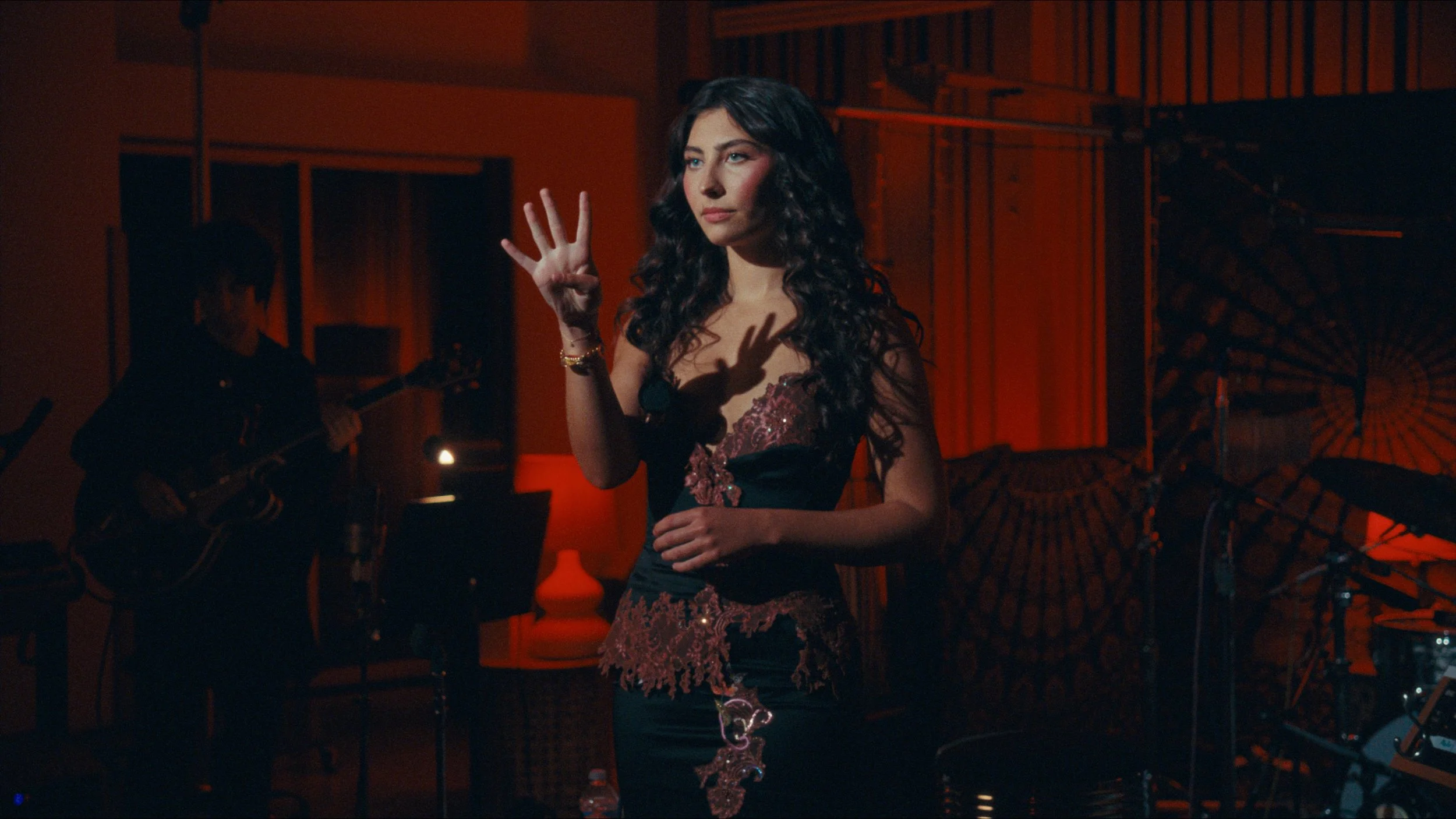
Photometrically profiled from Kodak Ektachrome 100D film stock
After many years of being discontinued, this film stock was famously revived back into production by Kodak for use in the HBO series Euphoria. It is a high contrast reversal stock with a unique, rich color response. Just like the film pipeline used in Euphoria, the Ektachrome emulation in CinePrint Studio was cross processed as a negative in ECN-2 chemistry at Fotokem film lab in Los Angeles. This method of processing Ektachrome was also used on movies like Buffalo ‘66, Clockers, and Domino. CinePrint Studio has 2 Ektachrome profiles, providing distinct highlight rendering options for this high contrast stock.

Photometrically profiled from Kodak EXR 500T 5298 film stock
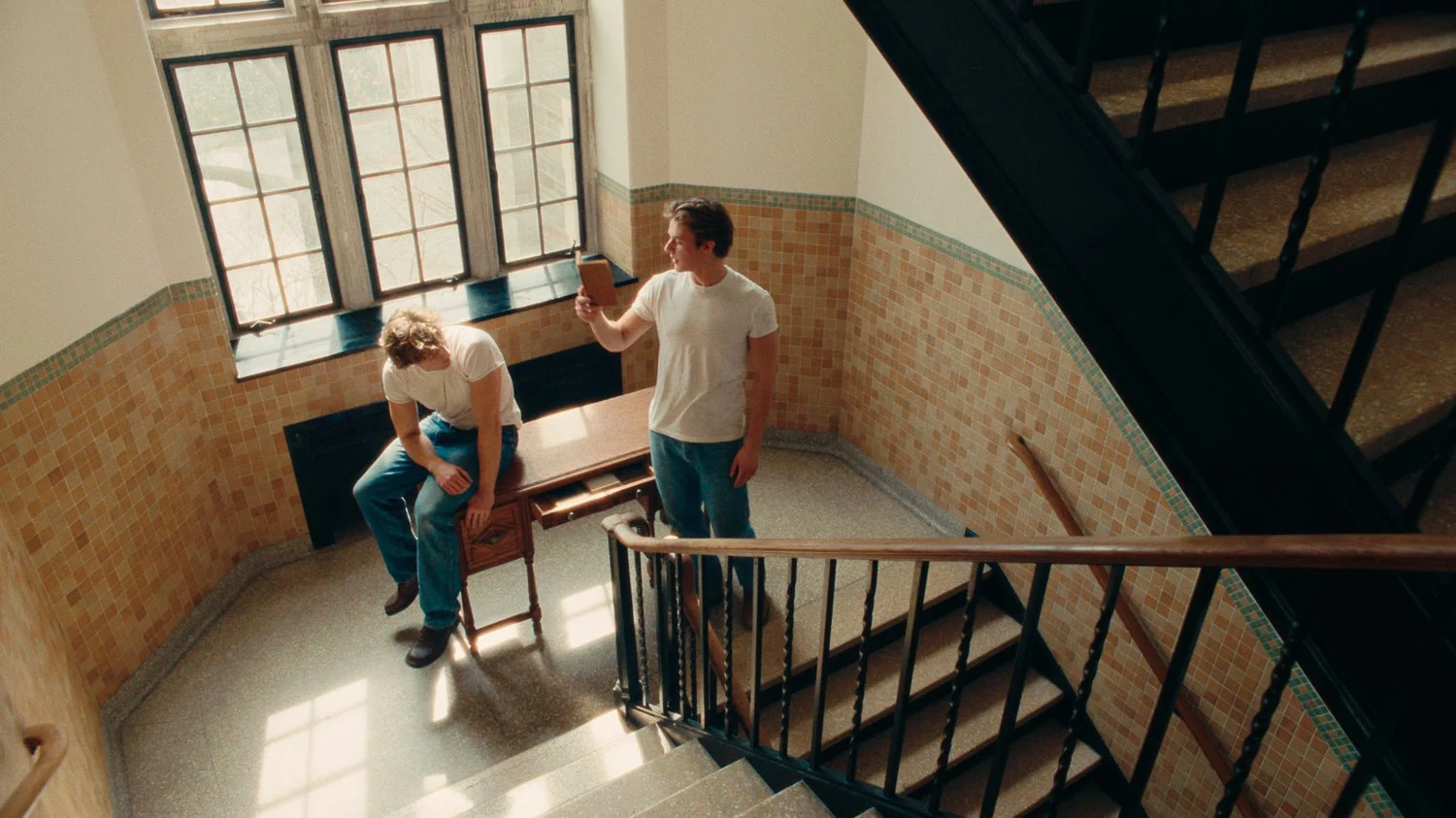
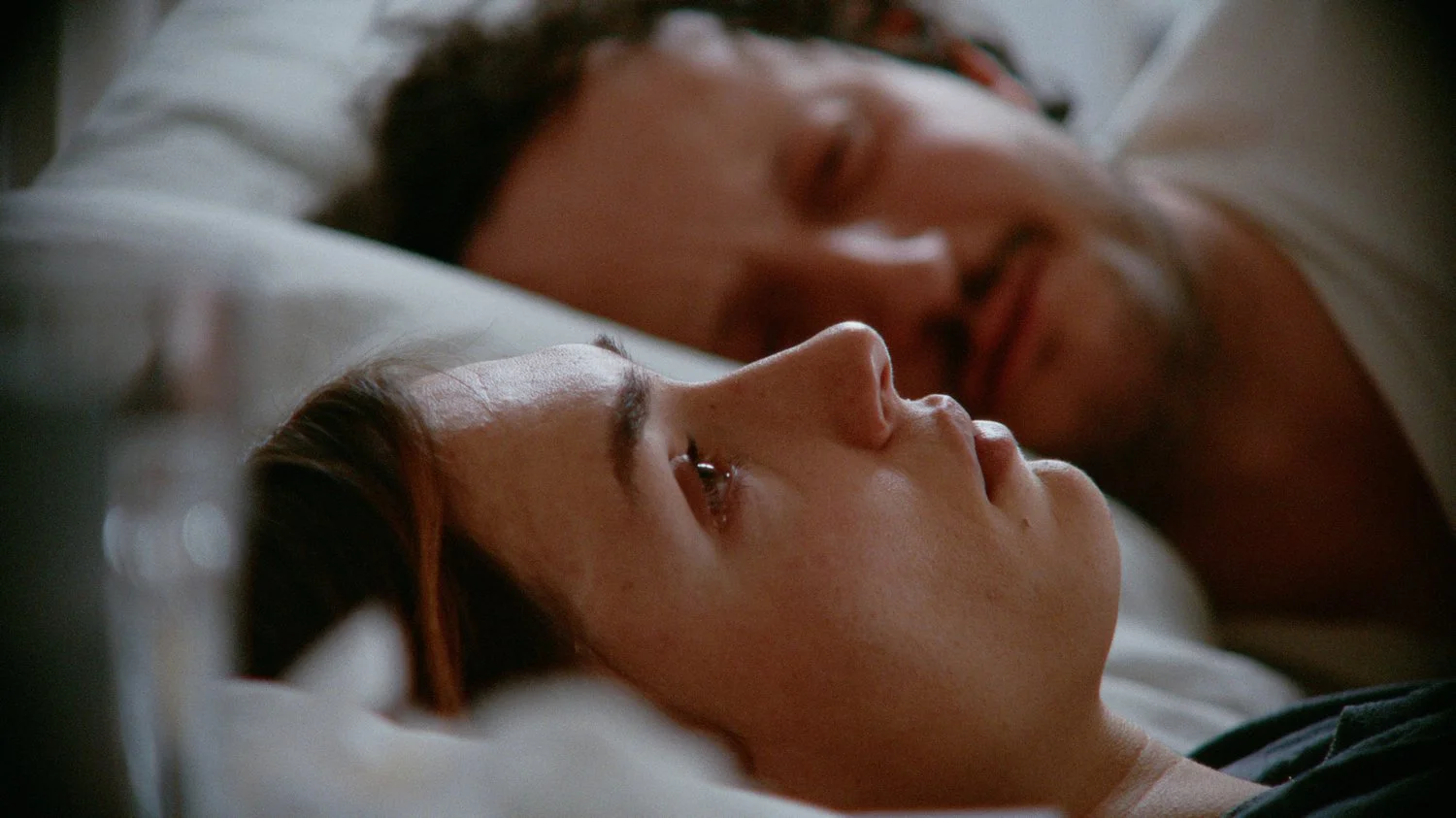
This film stock from the 90’s is not made anymore. Discontinued over two decades ago, it is very hard to find well-preserved rolls. It was used as a high speed stock for low light shooting on movies like Independence Day, Braveheart, Heat, Mission Impossible, Eyes Wide Shut, Apollo 13, Lost Highway, Star Trek: First Contact, GoldenEye, The English Patient, Twister, Harry Potter & The Prisoner of Azkaban, The Talented Mr. Ripley, and more. Although the film stock is no longer produced, the emulation helps keep the photochemical color science of this stock alive & accessible to a new generation of filmmakers.
CinePrint Studio has 2 different EXR profiles, each providing unique renderings of contrast & saturation.



Photometrically profiled from Kodak Vision3 500T 5219 film stock
This stock is perhaps the most widely used & flexible film stock currently made by Kodak today. It has extremely high dynamic range and is the go-to choice for low light filming, grain texture, and mixed lighting scenarios. Compared to the previous CinePrint35 emulation, CinePrint Studio 500T has significant improvements in quality & accuracy, especially in skin tones & highly saturated colors.
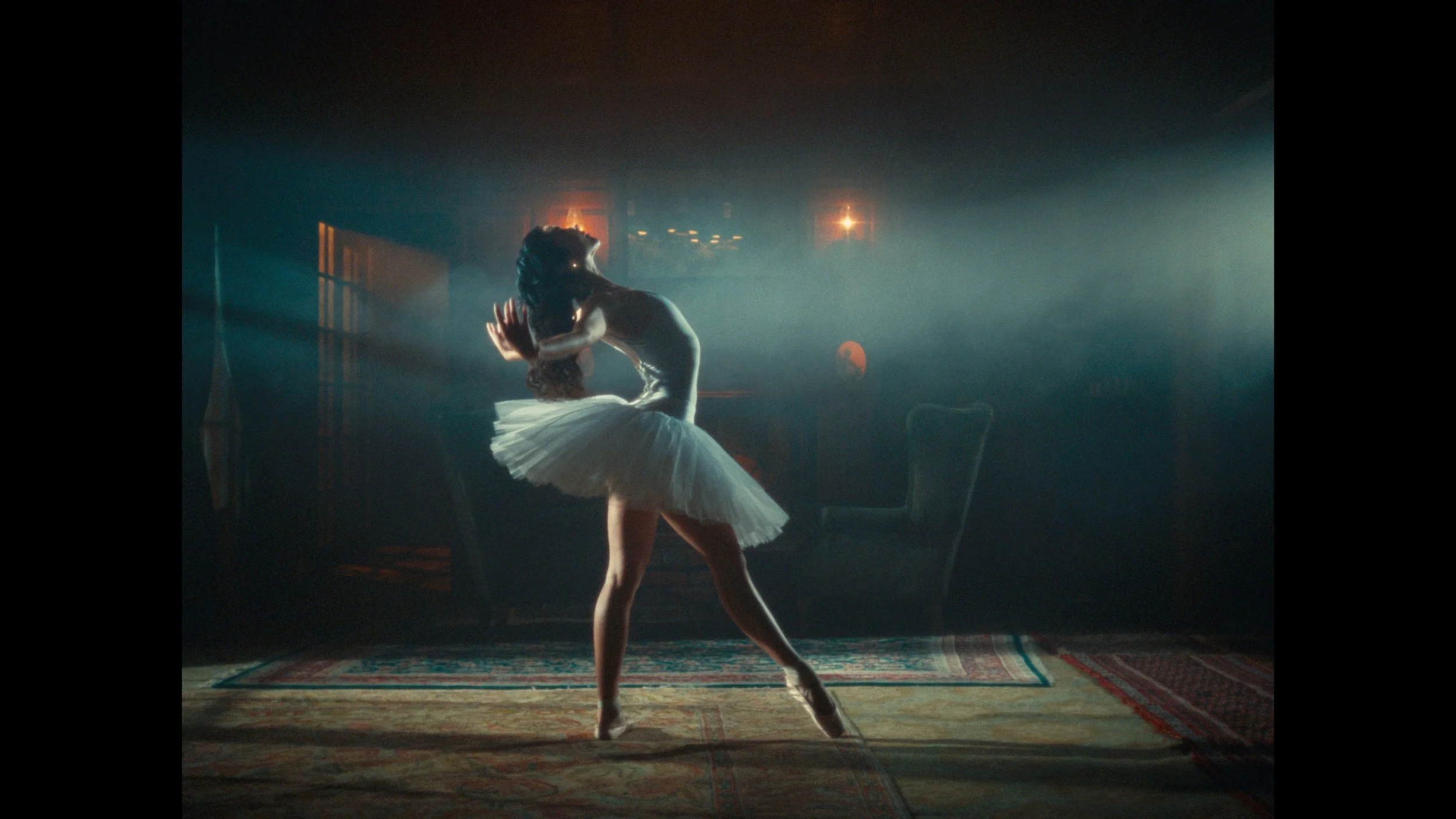
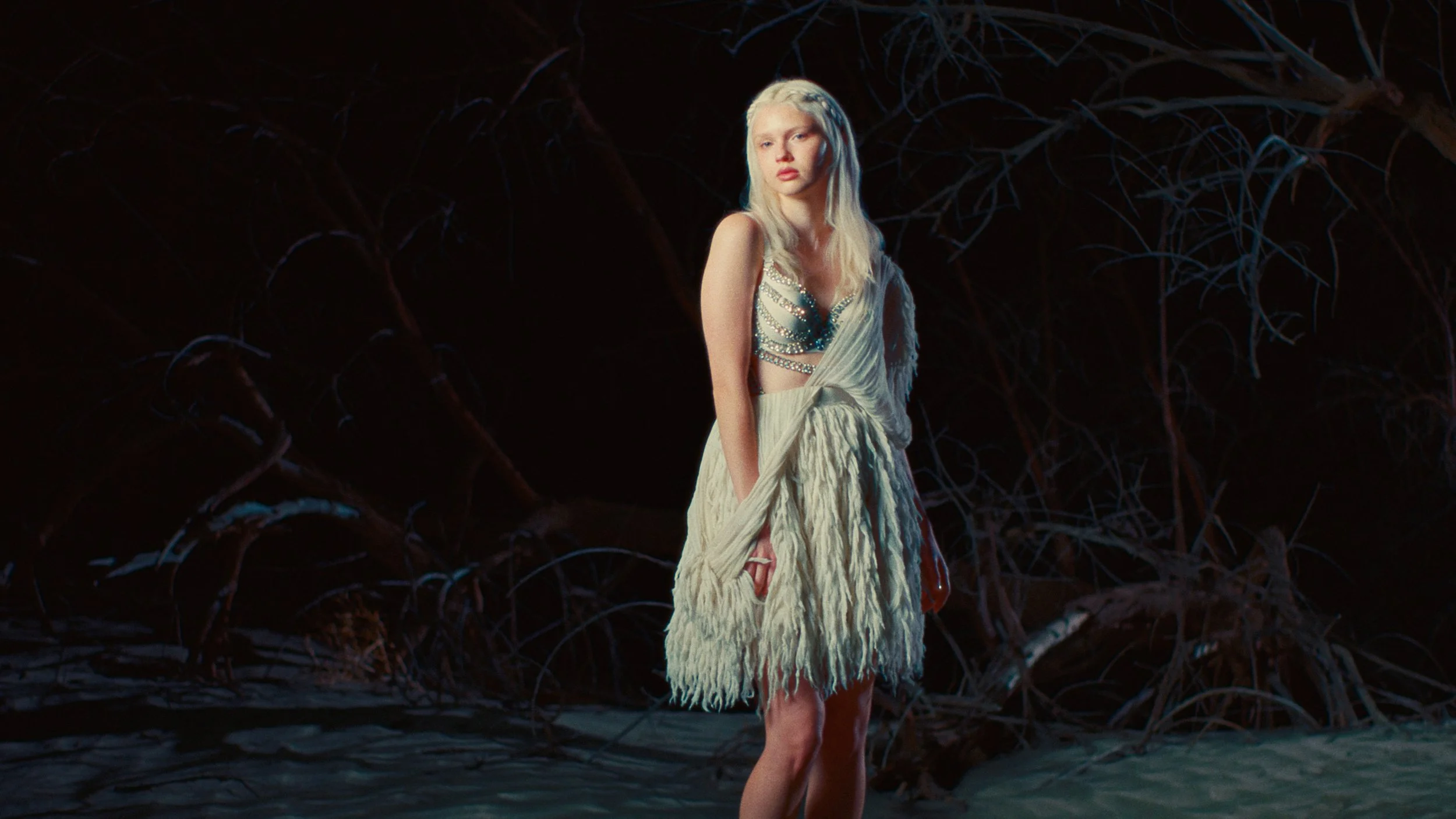
Photometrically profiled from Kodak Vision3 250D 5207 film stock
This stock strikes the balance of light sensitivity vs grain texture for shooting daylight scenes. Compensating for the white balance difference, it is a very high dynamic range stock that matches closely with 500T, but with slight differences in its tone curves. CinePrint Studio 250D has significant improvements in quality and accuracy of skin tones & high saturation colors compared to CinePrint35.
Compared to the node tree of CinePrint35, the node tree in CinePrint Studio has been consolidated & streamlined into compound nodes for cleaner organization and simplicity.
There is still a lot going on under the hood, so users wanting to go in-depth can still decompose the compound nodes and customize the individual parameters of the node tree to suit their workflow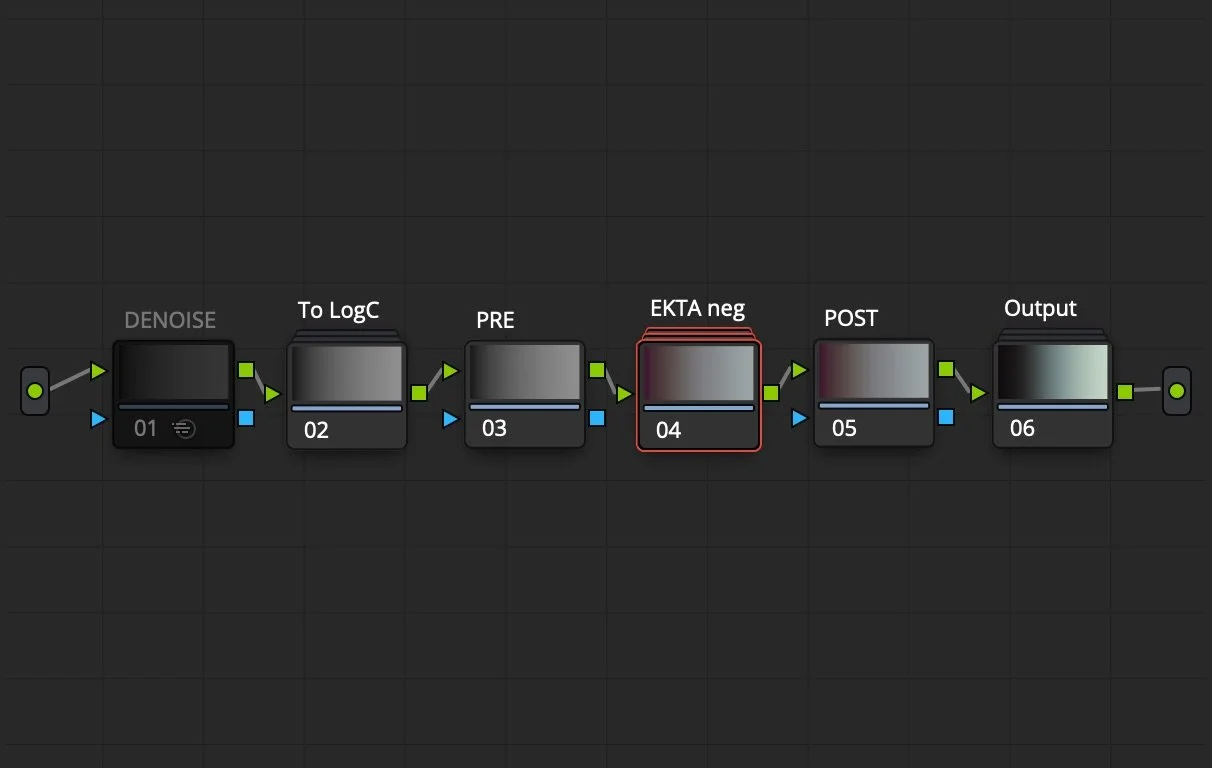
Image Pipeline breakdown:
TO LOGC: All cameras are matched to the color response of an Arri Alexa
PRE: Initial color corrections in camera / scene space can be made prior to the film negative being applied
The film emulation is applied. Each emulation consists of parameters designed to match the original 35mm film scan.
Adjustments include: RGB matrices for matching primaries, overall Luma curve match, per channel RGB tone curve mapping, edge saturation mapping, and hue angle & density mapping
POST: Now that the film stock is fully applied, color grading done here is similar to working with an actual film scan.
OUTPUT: The image is output for display either as a positive print film look, or as gamma corrected telecine.
It is common for colorists to use Davinci Resolve’s built-in 2383 print film emulation LUT on log footage from digital cameras in order to incorporate the filmic color response of Kodak’s 2383 print film. However, the 2383 PFE LUT expects a film scan input, so unless the digital footage is graded to precisely match the color response of a real film scan, the 2383 print LUT will produce less desirable results, falling short of a true film look.

Arri Alexa LogC3 footage → Kodak 2383 print film emulation LUT

Arri Alexa LogC3 footage → CinePrint Studio 250D film emulation
Arri Alexa LogC3 footage → Kodak 2383 print film emulation LUT
Notice how in the first image the greens are less lively, the skin tones feel plastic, and the highlight roll-off is not as smooth. Meanwhile, the second image yields a more accurate and pleasing result because the footage is prepared to look like a real film scan before being output to the 2383 print LUT.
CinePrint Studio elevates digital footage to a highly accurate film look by recreating the density, saturation, and color response of real cineon log film scans before outputting to a print LUT.

Arri Alexa LogC3 footage → Davinci Resolve Film Look Creator (35mm “Cinematic” film stock)

Arri Alexa LogC3 footage → CinePrint Studio 250D film emulation
Davinci added their own Film Look Creator OFX in a recent update. There are certainly some nice textural & geometric features within, but unfortunately the actual color science is not accurate to any real world film stocks. Film Look Creator does not emulate a real film negative the way CinePrint Studio does. The five built-in “film stocks” in Film Look Creator suffer from a similar issue as using the Kodak 2383 LUT by itself—while they may replicate singular aspects of a film system, they are not accounting for the complex interplay & synergy between components like the negative and the print.
Notice how the skin tones from Film Look Creator do not feel as full, whereas the skin tones from CinePrint Studio are more naturalistic with more life to them.

Arri Alexa LogC3 footage → Davinci Resolve Film Look Creator (35mm “Cinematic” film stock)

Arri Alexa LogC3 footage → CinePrint Studio 250D film emulation
Let’s take a closer look, now with a different camera:

Fill your request here and our team will try to post this material on the site

Fixed.
New link updated.
Password:- Dasfsaegtet45w3rfdzsfdas

Pls Password
Peter1
GREAT man ty everything working